Be yourself; Everyone else is already taken.
— Oscar Wilde.
This is the first post on my new blog. I’m just getting this new blog going, so stay tuned for more. Subscribe below to get notified when I post new updates.
Be yourself; Everyone else is already taken.
— Oscar Wilde.
This is the first post on my new blog. I’m just getting this new blog going, so stay tuned for more. Subscribe below to get notified when I post new updates.
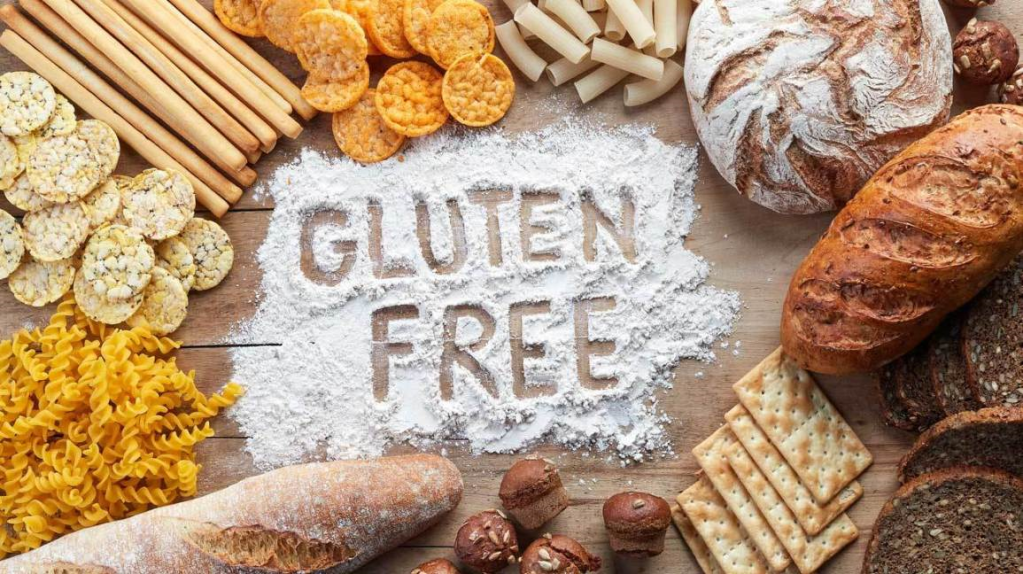
In a world where every piece is shared on social media, people tend to change their lifestyles in accordance with the modern trend. They look for content in everything and everyone around them. This habit has proved to be fruitful in certain aspects. They happen to be very concerned about their food habits and their body image. This has led to so many practices that are aimed to help people with these concerns. Coming to the question in hand, is the gluten-free diet going to help a person? Like every other thing around, this has its boons and banes as well.
What is gluten? They are a family of proteins, called prolamins and glutelins found in wheat, barley, rye, and spelled. The name comes from the Latin word ‘Glue’ as it gives a sticky consistency when mixed with water which makes it ideal to be used for the bakeries. Many people feel uncomfortable after the consumption of foods that contain gluten. The most severe condition after gluten consumption is the ‘celiac disease’.
Gluten-free making miracles in weight loss!
A gluten-free diet eliminates all foods containing gluten. Gluten is the main ingredient present in almost all the foods available in the market like wheat, rye, cross-contaminated oats, in sauces like soy sauce, malt, vinegar, flour and as additives or fillers. Foods to avoid in a gluten-free diet are- wheat, barley, rye, malt, brewer’s yeast. Food to include- meats and fish, eggs, dairy, fruits and vegetables, grains, nuts and seeds, spreads and oils, beverages, herbs and spices.
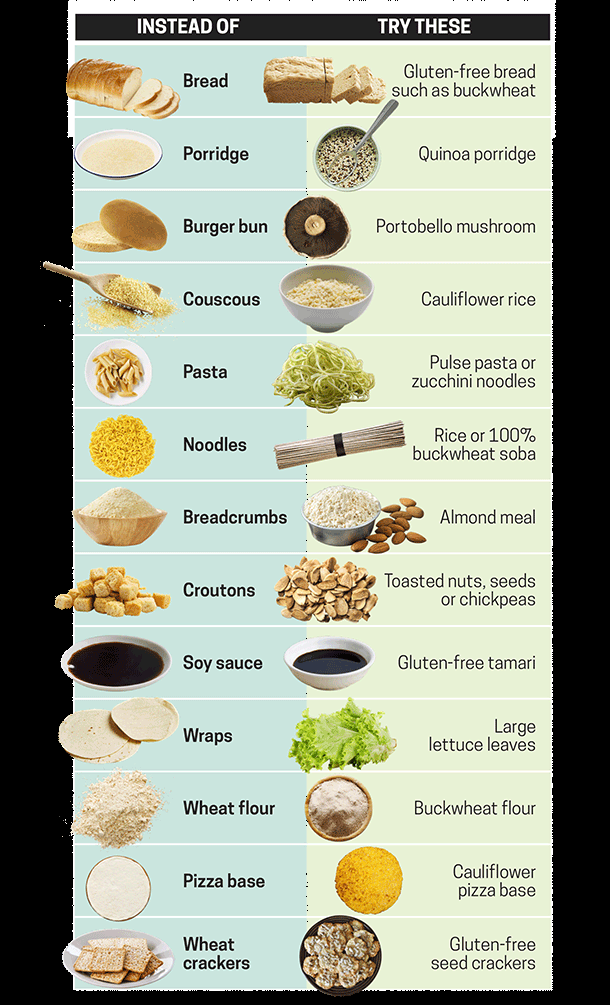
Think wisely before adopting gluten-free as a lifestyle.
The avoidance of gluten as suggested by the health professional (Ashish Sarkar) should be in the patients with celiac disease or those with gluten intolerance. But over the period of time, the avoidance of gluten has extended to the healthy population [11]. Despite having a variety of health benefits, a gluten-free diet can have some downsides. Some of the major problems that concern health professionals when we talk about a gluten-free diet are-
Along with gluten-free being a difficult lifestyle to be followed, studies are showing that it can lead to weight gain. In a study of 369 adults with celiac disease who follow a gluten-free diet for an average of about2.8 years, 22 of 81 (27%) initially overweight or obese patients gained weight. In another study, 82% of people were reported to gain weight after following a gluten-free diet for about 2 years. Among children, the percentage of overweight children almost doubled after following a gluten-free lifestyle for over a year [13].
Take away-
Each individual is different and even the body requirements are different, we need to listen to our body and choose a lifestyle that suits us. Social media as believed is both a boon and a curse. Following diets just by reading about it on media or because of some celebrity endorsement can often lead to life-threatening conditions. Diets like a gluten-free diet can be beneficial for one and harmful to other. Always refer to authentic researches and take professional advice preferable from a nutritionist before following any kind of diet.
References
This is an example post, originally published as part of Blogging University. Enroll in one of our ten programs, and start your blog right.
You’re going to publish a post today. Don’t worry about how your blog looks. Don’t worry if you haven’t given it a name yet, or you’re feeling overwhelmed. Just click the “New Post” button, and tell us why you’re here.
Why do this?
The post can be short or long, a personal intro to your life or a bloggy mission statement, a manifesto for the future or a simple outline of your the types of things you hope to publish.
To help you get started, here are a few questions:
You’re not locked into any of this; one of the wonderful things about blogs is how they constantly evolve as we learn, grow, and interact with one another — but it’s good to know where and why you started, and articulating your goals may just give you a few other post ideas.
Can’t think how to get started? Just write the first thing that pops into your head. Anne Lamott, author of a book on writing we love, says that you need to give yourself permission to write a “crappy first draft”. Anne makes a great point — just start writing, and worry about editing it later.
When you’re ready to publish, give your post three to five tags that describe your blog’s focus — writing, photography, fiction, parenting, food, cars, movies, sports, whatever. These tags will help others who care about your topics find you in the Reader. Make sure one of the tags is “zerotohero,” so other new bloggers can find you, too.

 Site Title